
Table of Contents
- How to Make Game Night Memorable: A 7-Step Plan
- Family Game Night Ideas That Fit Your Group
- Best Games for Family Game Night: Board, Card, and Tabletop Picks
- Your Family Game Night Schedule: A Sample Evening
- Game Night Essentials: Supplies, Snacks, and Setup
- Managing Group Size, Conflict, and Competitive Dynamics
- Accessibility and Inclusive Hosting for Every Guest
- Conclusion: Build a Game Night Tradition Worth Repeating
- Frequently Asked Questions
Last Updated: October 4, 2026
How to Make Game Night Memorable: A 7-Step Plan
The difference between a game night people forget and one they talk about for weeks comes down to planning, not luck. This guide from Black Blocks Game breaks down how to make game night memorable in seven steps, from picking the right games for your group to building a schedule that keeps everyone off their phones.

Game night is a planned gathering where friends or family play board games, card games, or party games together, usually with food and a set schedule. A memorable game night balances three things: the right games for your group, a comfortable setup, and a host who keeps things moving.
Most hosts get one of these right and ignore the other two. That's the gap we're closing.
Here's the 7-step plan we recommend:
- Know your group before you pick a game
- Match game complexity to player experience
- Choose a mix of quick and deep games
- Build a simple schedule for the evening
- Set up snacks and supplies that protect your game pieces
- Plan for group size, conflict, and competition
- Make the night inclusive for every guest
Family Game Night Ideas That Fit Your Group
No single game works for every group, and that's fine. The trick is matching the game to the people at your table, not the other way around.
Match Game Complexity to Player Experience
Game complexity should match the least experienced player at the table, not the most. If half your guests are new to tabletop games, a heavy strategy title will lose them in ten minutes.
A simple rule: if teaching the rules takes longer than five minutes, save it for a group that already plays together often. For mixed experience levels, pick games with a short rule set and a few thoughtful decisions.
- Beginners: games with one clear goal and simple turn-taking
- Mixed groups: games where luck balances skill
- Experienced players: strategy games with deeper choices
Easy Games for Beginners and Mixed-Age Groups
Beginner-friendly games keep everyone laughing instead of checking the rulebook. Look for party games, simple card games, and trivia formats that work across ages.
For family-friendly game night ideas with kids and grandparents at the same table, choose games with no reading-heavy rules and short turns. Team play helps too. Pair a younger player with an older one and the skill gap disappears.
Best Games for Family Game Night: Board, Card, and Tabletop Picks
The best games for family game night share three traits: easy-to-learn rules, fast turns, and room for real conversation. Here's how the main categories compare.
| Category | Best For | Typical Play Time | Skill vs. Luck |
|---|---|---|---|
| Card games | Small groups, quick rounds | 15-30 min | Balanced |
| Party games | Mixed ages, laughs | 20-40 min | Mostly luck |
| Board games | Family teams | 45-90 min | Skill-heavy |
| Strategy games | Older teens, adults | 60+ min | Skill-heavy |
Card Games and Party Games That Keep Everyone Laughing
Card games and party games are the fastest way to warm up a room. They need little setup, and a round rarely runs long enough for anyone to get bored.
Keep two or three on hand so you can swap if energy drops. A common mistake is starting with the heaviest game of the night. Start light, then go deeper once everyone is settled in.
Strategy and Team Play for Older Teens and Adults
Strategy and team play suit older teens and adults who want a real challenge. These games reward planning, negotiation, and a little healthy competition.
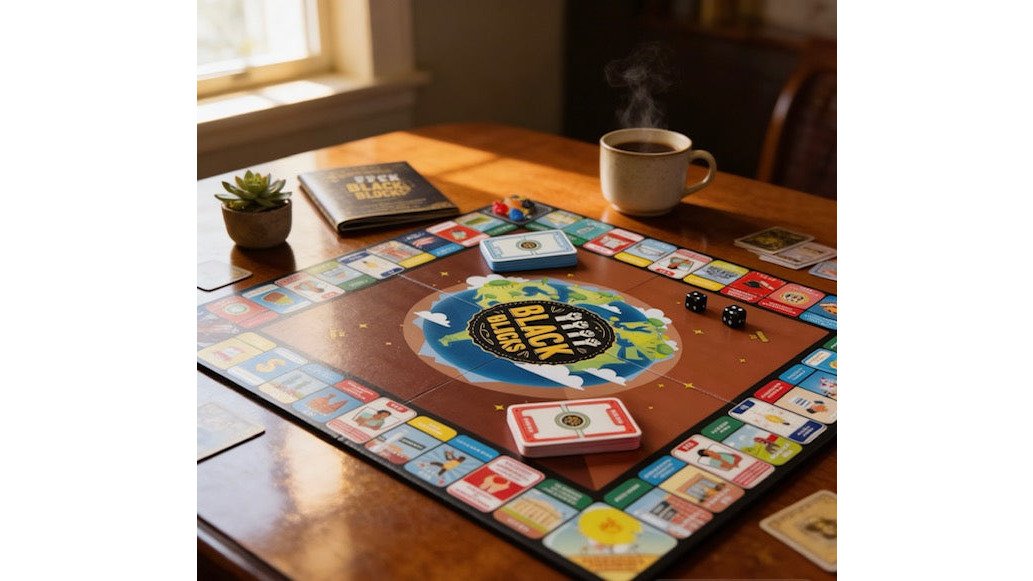
This is also where financial literacy games shine. Black Blocks Game blends strategic play with real-world money decisions, so players learn while they compete.
Your Family Game Night Schedule: A Sample Evening
A sample family game night schedule keeps the evening moving and stops that awkward dead time between games. Here's a format that works for most groups.
- 6:00 PM - Guests arrive, snacks out, casual chat
- 6:30 PM - Warm-up card or party game
- 7:15 PM - Main board game or strategy title
- 8:30 PM - Break for food and drinks
- 8:50 PM - Second game, lighter than the first
- 9:45 PM - Wrap-up and next-date planning
Adjust the times to your group. The structure matters more than the exact clock. Give each game a clear window so no single round eats the whole night.
Game Night Essentials: Supplies, Snacks, and Setup
Good game night essentials fall into three buckets: supplies, snacks, and setup. Get these right and the games run themselves. Most hosts stop at "chips and a spare deck of cards," which is why spilled drinks and greasy fingers end so many evenings early. The fix is a serving plan built around your game components, not just your guest list.
Supplies to have ready:
- Extra dice, pens, and score pads (a small bin keeps them from scattering)
- A timer or phone stopwatch for turn limits
- Small bowls for tokens, coins, and pieces so they don't roll off the table
- A spare deck of cards in case one gets marked or bent
- A lint-free cloth and a few zip-top bags for packing components between games
- Painter's tape for labeling cups so drinks don't get mixed up
Snacks that work at the table:
- Finger foods that don't leave grease or powder on cards
- Pretzels, popcorn, and cut fruit served in individual bowls
- Drinks in cups with lids or on coasters set on a side table
- Toothpicks or small skewers for anything saucy
Protecting Game Components from Food and Drinks
Food and drinks are the number one cause of ruined game pieces, and the damage is usually permanent.
Set a two-zone table. Keep the game surface dry and the food surface separate.
Match the snack to the game. Card games and games with paper money or cardboard tokens are the most vulnerable.
Use lids and coasters. Cups with lids or travel mugs cut spills dramatically.
Plan the cleanup. Keep a roll of paper towels, a small trash bowl, and a damp cloth near the food zone.
Managing Group Size, Conflict, and Competitive Dynamics
Group size changes everything about how a game night runs. Four to six players is the sweet spot for most tabletop games because it keeps turns short and everyone engaged. Above eight, split into two tables with a host or experienced player at each, and plan a shared activity for the start and end so the group still feels like one party.
Conflict usually comes from two places: unclear rules and mismatched expectations. Fix both before they start.
- Explain the rules once, then run a practice round with open hands so everyone sees how a turn works
- State up front whether the night is casual or competitive, and hold that line all evening
- Rotate teams each round so no one feels stuck with a weak partner
- Keep a written house rule for ties so games don't drag past their window
- Appoint a neutral rules referee for the night, ideally someone not playing in the disputed game
Balancing Skill Without Killing the Fun
A lopsided game is the fastest way to lose a player's attention. When one person runs away with the lead, you have three levers: shorten the game, switch to teams, or add a catch-up mechanic. Many modern board games build catch-up mechanics in already, so check the rulebook before you improvise.
For mixed experience levels, pair a newer player with an experienced one on the same team. The skill gap disappears because the veteran coaches in real time.
Handling Rules Disputes and Strong Personalities
Rules disputes are rarely about the rules. They're about feeling heard. A simple script works: pause the game, read the rule aloud together, and if it's still unclear, make a temporary call and look it up after the round.
Strong personalities need a role, not a warning. Give the loudest player the job of timekeeper or scorekeeper. It channels their energy into the game's structure instead of into arguments. If two players consistently clash, seat them on opposite teams and put a calm player between them.
Keeping Competition Friendly
Competitive dynamics can sour a night fast. The goal is quality time, not a blowout. A few habits keep the temperature down:
- Celebrate good moves by any player, not just the winner
- Ban table talk that targets one person's mistakes
- End the night with a light, luck-based game so the final memory isn't a loss
- Announce the next game night before people leave, so the evening ends on anticipation rather than a final score
Accessibility and Inclusive Hosting for Every Guest
Inclusive hosting means every guest can play, not just watch. Check your space and your game choices before the night begins.
- Pick a table with room for wheelchairs and mobility aids
- Use large-print score sheets for guests with vision needs
- Choose games with simple rules for guests new to English
- Offer a quiet corner for anyone who needs a break
- Ask about food allergies before you plan the snack table
Accessibility is not extra work. It's the difference between a guest who feels welcome and one who never comes back. A little planning covers most of it.
Conclusion: Build a Game Night Tradition Worth Repeating
The hardest part of a recurring game night is keeping it fresh after the first few rounds. That's where a game with real depth earns its place on your shelf. Black Blocks Game was created by David E. Rogers to make game nights special and meaningful, with strategic play that teaches financial literacy while celebrating Black history. It gives your group something new to talk about every time you play. Buy Your Game Today and start a tradition your family and friends will look forward to.
Frequently Asked Questions
What are some must-haves for a game night?
A core set of game night essentials includes one or two anchor board games, a card game for warm-up rounds, a scorepad and pens, a timer, and a separate snack table to keep food away from game components. Add coasters, napkins, and a small trash bowl for easy cleanup. If you host often, keep a dedicated bin with dice, extra pencils, and plastic bags for loose pieces so setup takes minutes instead of an hour.
How do you choose a game everyone will enjoy?
Ask each guest for one game they already like, then look for overlap in mechanics rather than themes. If your group has varying skill levels, pick a game with simple rules but meaningful decisions, such as a strategy game where luck and turn-taking balance out experience. For mixed-age groups, choose beginner-friendly games with short rounds so younger players stay engaged and no one sits out for long stretches.
How long should a family game night last?
Two to three hours works well for most families. A typical family game night schedule runs 30 minutes for arrival and snacks, 60 to 90 minutes of play across two or three games, and 20 minutes for dessert and winding down. If teenagers or younger kids are playing, keep individual games under 45 minutes. You can always add a bonus round, but ending while everyone still wants more makes the night memorable.
How do you keep game night from getting too competitive?
Set ground rules before the first turn: no trash talk about skill, no rehashing losses, and a firm end time for each game. Rotate teams so strong players pair with less experienced ones, and use house rules that reward creative play over pure winning. A cooperative or team-based game also shifts the focus toward shared problem-solving. If tension rises, pause for a snack break and switch to a lighter card game.