
Table of Contents
- How Educational Toys Make Game Night Special
- Family Game Night Ideas That Keep Everyone at the Table
- Choosing Games for Mixed-Age Families
- Screen-Free Family Activities That Build Real Connection
- Why Educational Board Games for Adults Belong on Your Shelf
- How Black Blocks Makes Game Night Special for Your Family
- Conclusion: Building a Game Night Tradition That Lasts
- Frequently Asked Questions
Last Updated: October 9, 2026
How Educational Toys Make Game Night Special
Game night works best when the game itself teaches something worth knowing. That is the idea behind makes game night special for educational toys: the right pick turns a casual evening into a shared lesson in money, history, and strategy. At Black Blocks Game, we built our whole tabletop around that belief.

The best educational toys for family game night do three things at once. They teach a real skill, they pull every player into the same conversation, and they make people want a rematch. Get those three right and the night runs itself.
That last point matters most. Most game shelves are full of titles that entertain for an hour and teach nothing. Then there's the other extreme: dry flashcards and quiz decks that kids abandon by round two. The sweet spot is a game that plays like a competition and thinks like a classroom.
This guide covers family game night ideas, how to pick games for mixed-age families, screen-free family activities, and why educational board games for adults deserve shelf space too. We'll also show how Black Blocks Game fits into all of it.
Family Game Night Ideas That Keep Everyone at the Table
The best family game night ideas share one trait: nobody gets bored enough to reach for a phone. That means short setup, clear rules, and a real chance for every player to win.
Try these formats:
- Theme nights. Pair a game with a topic, like a money night or a history night.
- Team play. Pair a younger player with an older one and let them share a strategy.
- Progressive rounds. Play three short games instead of one long one.
- Winner picks dessert. Small stakes keep energy high all evening.
- No-phone basket. Everyone drops their phone in a bowl by the door.
A common mistake is picking one long game for the whole night. Attention fades fast, especially with teens. Rotating two or three shorter rounds keeps the table lively.
Choosing Games for Mixed-Age Families
Games for mixed-age families live or die on one thing: a younger player should never feel like a placeholder. If the rules favor the fastest reader or the biggest math brain, the table splits into winners and spectators.
Look for these features:
- Simple core rules with room for deep strategy
- Little to no reading during play
- Luck balanced against skill, so anyone can catch up
- Turns that stay short and move quickly
- Topics that give every age something to talk about
What most guides miss is the talking. A game that sparks questions, like "wait, what does that card mean?", teaches more than any worksheet. That back-and-forth is where real learning happens.
Screen-Free Family Activities That Build Real Connection
Screen-free family activities work because they force eye contact. You cannot scroll while you're negotiating a trade or defending a move. The table becomes the only screen in the room.
Simple options that fit any weeknight:
- Board and card games with a shared goal
- Cooking one meal together, start to finish
- A family walk with a question jar
- Puzzle nights with music in the background
- Story rounds where each person adds a line
The payoff is consistency. A standing game night gives families a weekly anchor, something everyone plans around instead of scrolling past. The American Academy of Pediatrics family media guidance notes that shared, screen-free time supports communication and connection, which is exactly what a good tabletop night delivers.
Why Educational Board Games for Adults Belong on Your Shelf
Educational board games for adults are not a kids' category with bigger boxes. Adults learn best when the subject has real stakes, and money, history, and strategy all qualify.
Here's the honest case for buying one:
- Adults stay engaged when the theme respects their intelligence
- Strategy games give couples and friends a shared challenge
- Financial topics hit differently when you're actually managing assets
- Heritage and history themes open conversations that rarely happen otherwise
The one drawback? Adults can be picky. A game that feels like a lecture gets shelved after one night. The fix is a game where the learning hides inside the competition. You're not studying; you're trying to win, and the lesson tags along.
How Black Blocks Makes Game Night Special for Your Family
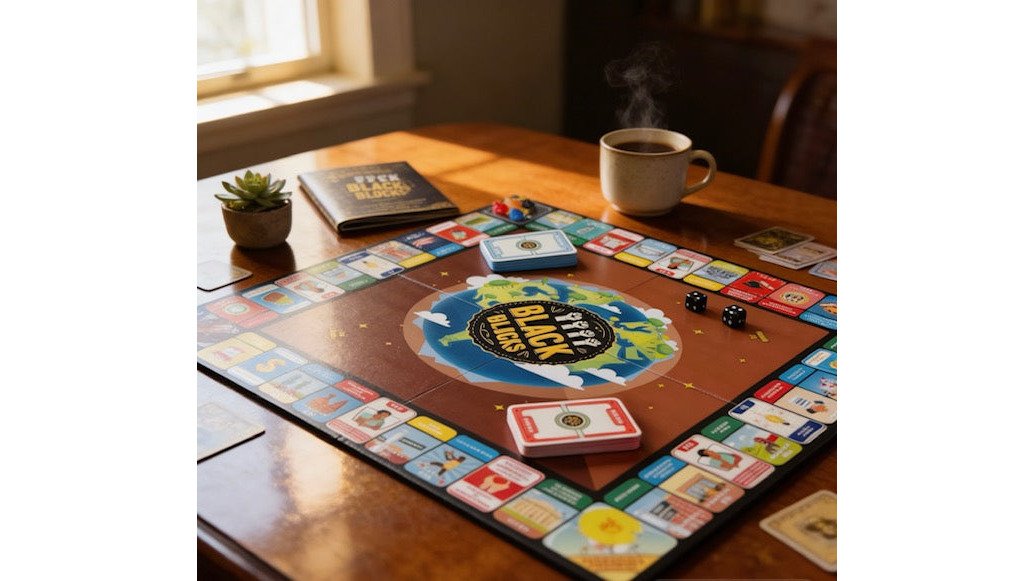
Black Blocks Game is a strategy board game where culture meets capital. Players acquire assets, protect them through market shifts, and build an empire one turn at a time. It was created by David E. Rogers, whose path through healthcare, e-commerce, and athletics shaped the game's purpose-driven design.
So what makes game night special with Black Blocks on the table?
- Real financial literacy. Every round teaches asset building and market decisions.
- Black history woven in. The theme celebrates heritage while players compete.
- Teens stay engaged. The stakes and strategy hold attention past the first round.
- Mixed ages can play. The rules welcome newcomers without boring veterans.
- It sparks conversation. Families report the table talk continues after the game ends.
The game costs $44.95, adding an educational layer most other strategy titles lack. Black Enterprise and HBCU communities have recognized the game, and educators have used it to bring Black history and financial literacy into the classroom.
For families who already own the classics, the difference is the mission. This isn't another property-trading game. It's a chance to build something together and talk about it afterward.
Total Time: 60-90 minutes per session Difficulty: Easy to learn, deep to master What You'll Need: The game box, 2 or more players, and a cleared table
Conclusion: Building a Game Night Tradition That Lasts
The hardest part of game night isn't finding a game. It's finding one that everyone asks to play again next week. That's the real test, and it's why we built Black Blocks Game around purpose, strategy, and culture instead of another lap around a familiar board.
If you want a tabletop night that teaches financial literacy, honors Black history, and keeps every generation at the table, Black Blocks Game was made for exactly that. Get started with Black Blocks Game and turn your next family game night into a tradition worth keeping.
National Council for the Social Studies
Federal Reserve financial literacy resources
Frequently Asked Questions
How do you make family game night more fun for everyone?
Rotate who picks the game each week so every family member gets a turn. Pair teams across age groups, like a teenager with a grandparent, to keep things balanced. Add small rituals such as a special snack or a scoreboard kept on the fridge. Games with both strategy and luck, like Black Blocks, keep younger players competitive while giving adults enough depth to stay interested.
What educational games can the whole family play together?
Look for games that combine trivia, strategy, and money management. Black Blocks works well because it teaches financial literacy and Black history while players acquire assets and navigate market shifts. For mixed-age families, games with simple rules but layered strategy let younger players learn the basics while adults enjoy the competitive side. Aim for titles that reward conversation, not just speed.
How do you choose a game that works for different ages?
Check the recommended age range, but also read how the game handles turn order and scoring. Games with team play or adjustable difficulty suit mixed-age families best. If you have teenagers and younger kids, pick a game where reading and strategy matter more than quick reflexes. Black Blocks suits players 15 and up, making it a strong fit for families with older children and adults.
How can adults make educational games fun for kids?
Play alongside them rather than letting them figure it out alone. Narrate your own decisions out loud so kids hear the reasoning behind buying an asset or saving money. Keep sessions to 45-60 minutes so attention stays high. Celebrate smart moves, not just wins, and let kids take on roles like banker or scorekeeper to keep them invested in the whole game.